Chapter 3: Connectivity and Variation
C3: Rationale
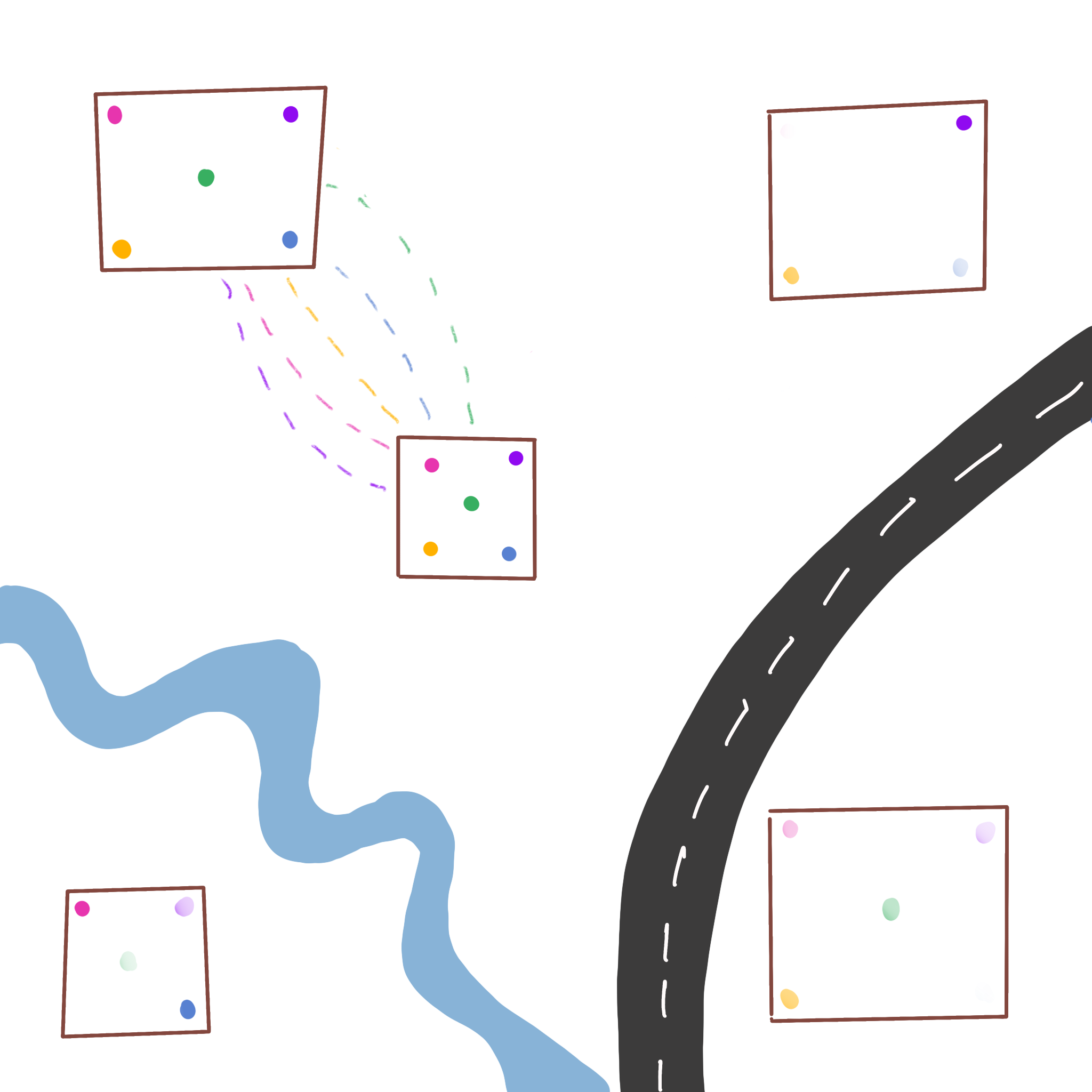
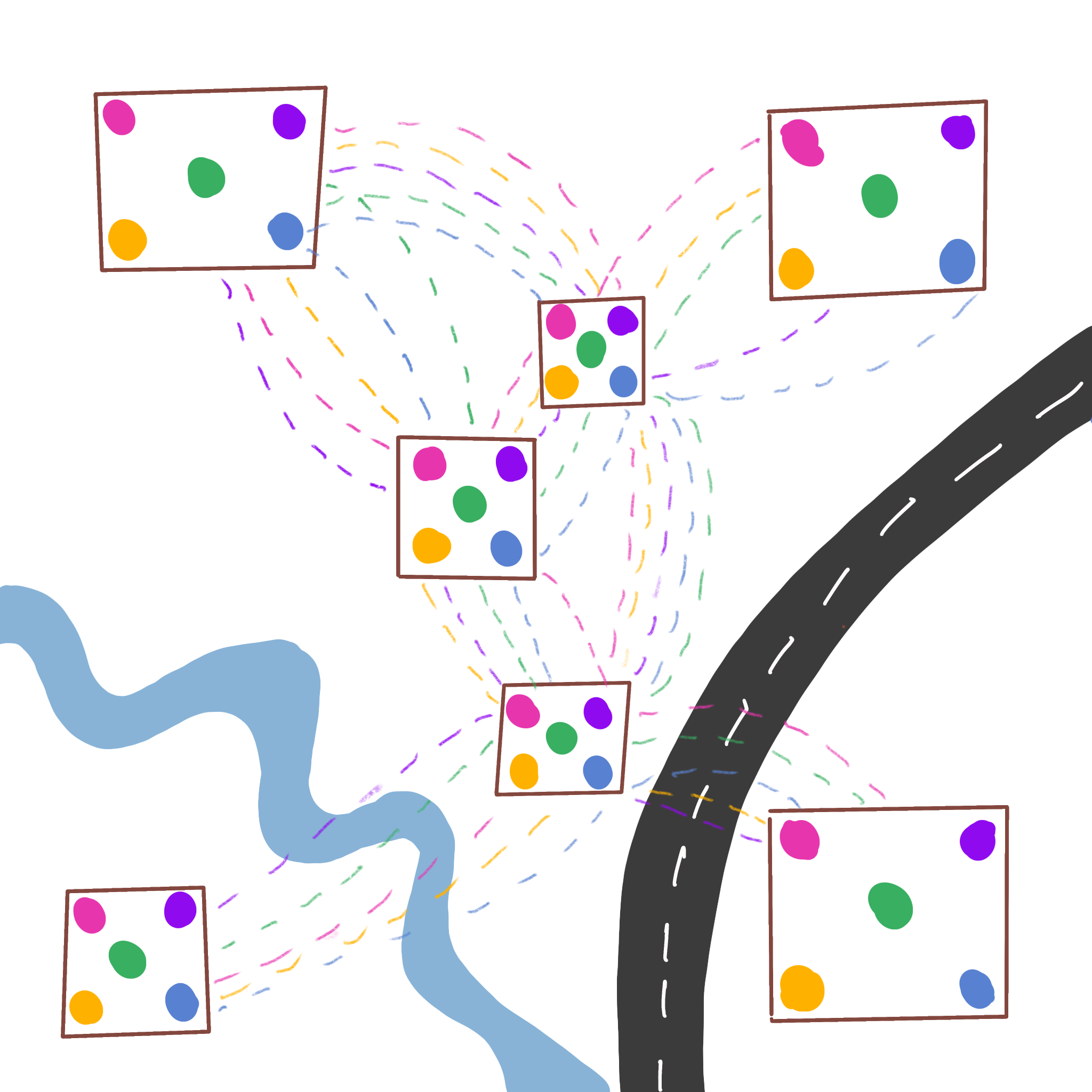
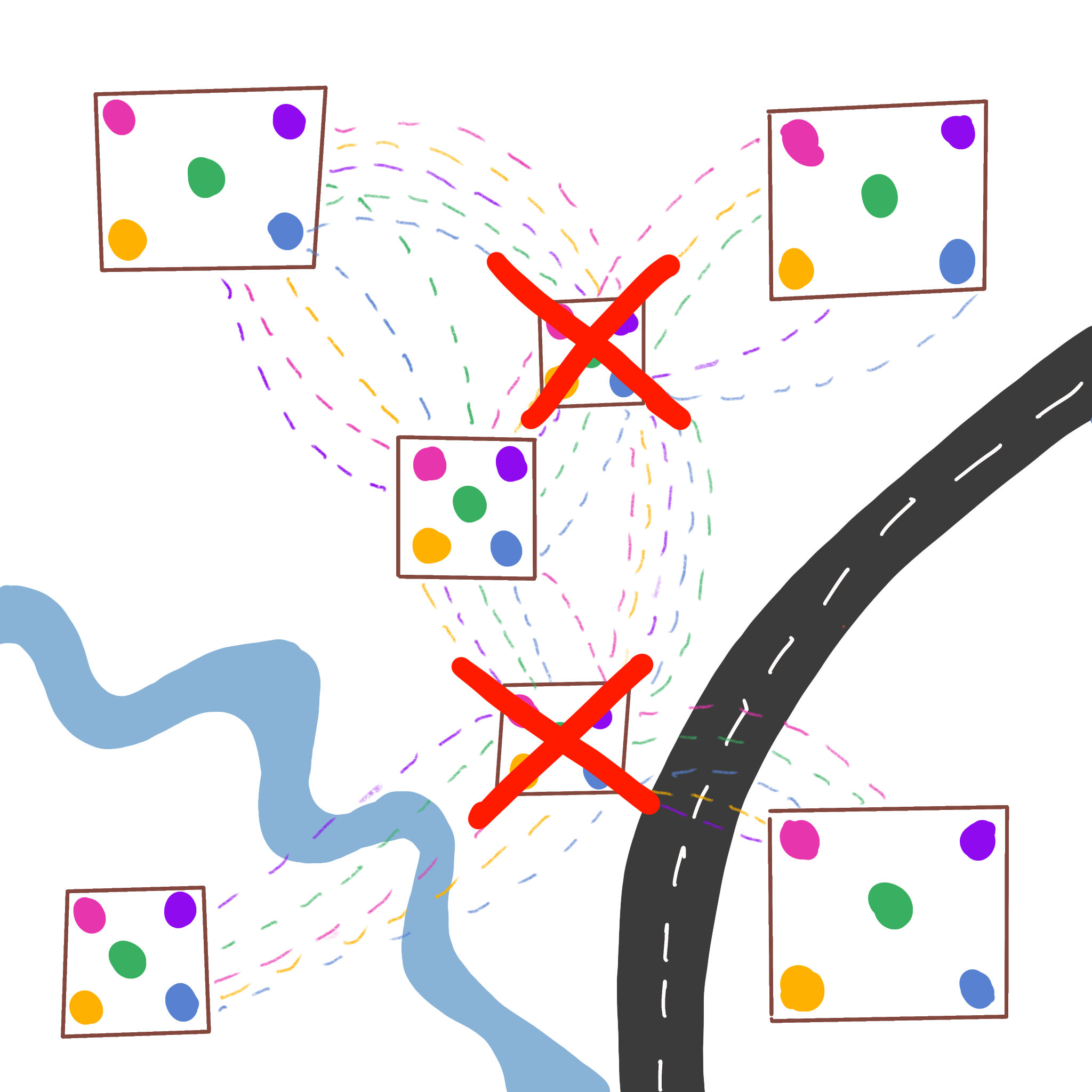
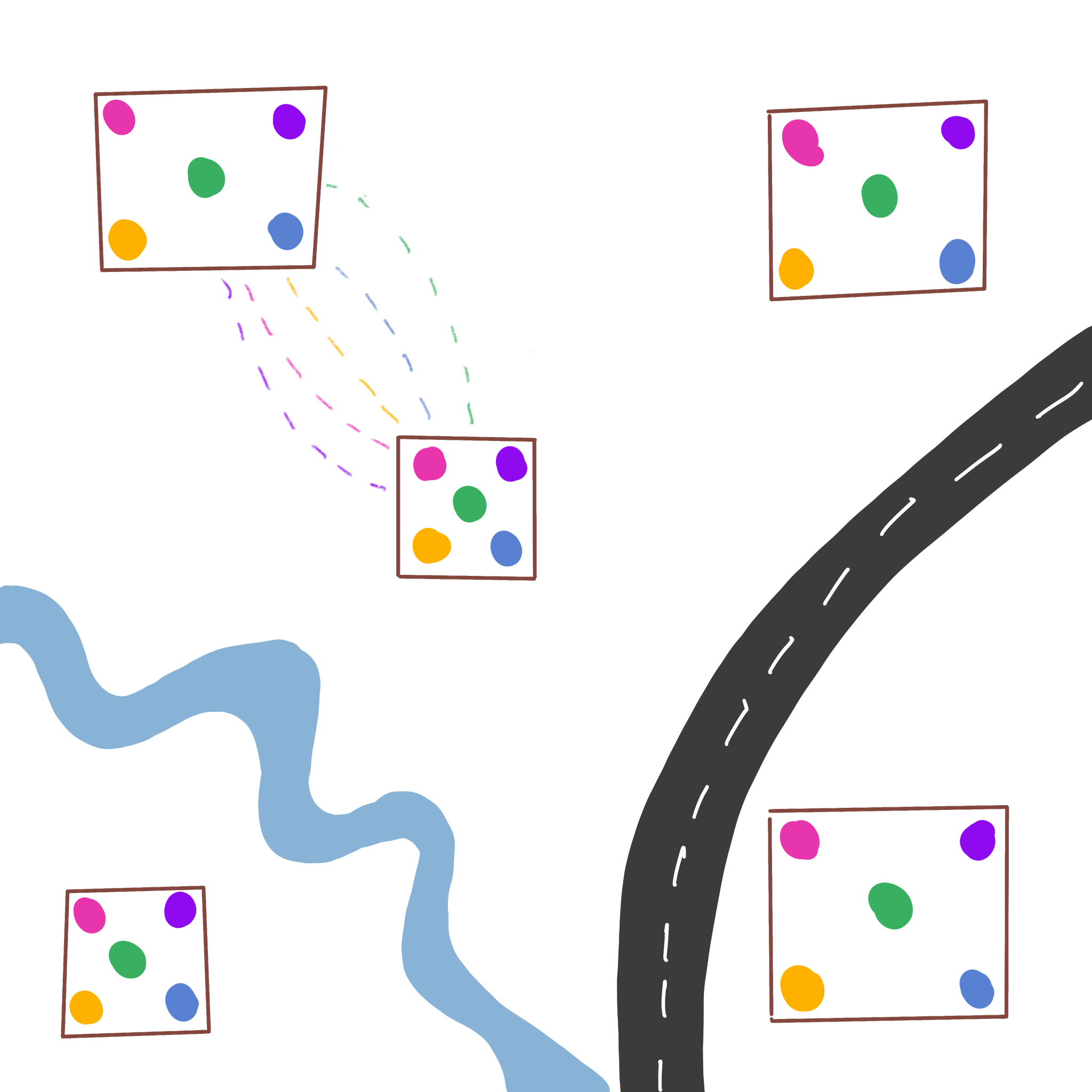
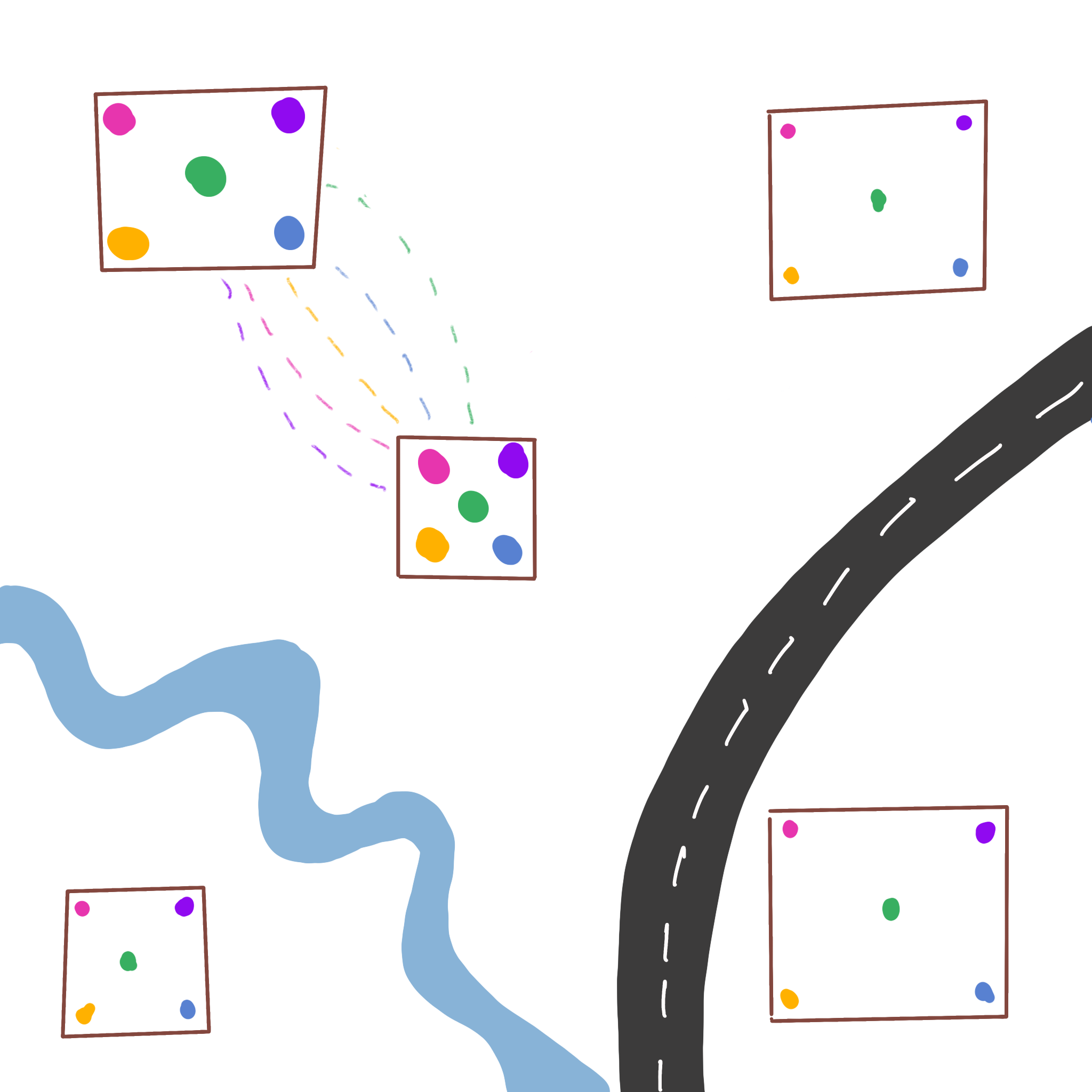
Prior to WWII hay meadows were a common and widespread habitat, examples of which had likely existing for decades prior and thus were species rich and likely much more abudant in ancient grassland indicator species (AGIS) than remaining hay meadows are today. Species within this hay meadows were likely well connected on a landscape scale with gene flow occuring despite distances between populations thanks to stepping stone habitats and connecting corridors.
C2: Rationale
When does a grassland become an ancient grassland? Based on recent working definitions, a grassland becomes 'ancient' when it has been continuously managed as such for between 80 to 170 years. But, how does the botanical assemblage of a grassland change after 80 years? How does the species composition look? At what age do key species start to readily colonise, establish and spread? The second chapter of my PhD aims to understand how the species composition of a traditionally managed hay meadow changes with time so that we may understand which species we can rely on to infer the likely age of a grassland based on the presence, richness and abundance of key 'ancient grassland indicator species'.
The second chapter of my PhD aims to understand how the species composition of a traditionally managed hay meadow changes with time so that we may understand which species we can rely on to infer the likely age of a grassland based on the presence, richness and abundance of key 'ancient grassland indicator species'
C2: Rationale
When does a grassland become an ancient grassland? Based on recent working definitions, a grassland becomes 'ancient' when it has been continuously managed as such for between 80 to 170 years. But, how does the botanical assemblage of a grassland change after 80 years? How does the species composition look? At what age do key species start to readily colonise, establish and spread? The second chapter of my PhD aims to understand how the species composition of a traditionally managed hay meadow changes with time so that we may understand which species we can rely on to infer the likely age of a grassland based on the presence, richness and abundance of key 'ancient grassland indicator species'.
The second chapter of my PhD aims to understand how the species composition of a traditionally managed hay meadow changes with time so that we may understand which species we can rely on to infer the likely age of a grassland based on the presence, richness and abundance of key 'ancient grassland indicator species'
C2: Rationale
When does a grassland become an ancient grassland? Based on recent working definitions, a grassland becomes 'ancient' when it has been continuously managed as such for between 80 to 170 years. But, how does the botanical assemblage of a grassland change after 80 years? How does the species composition look? At what age do key species start to readily colonise, establish and spread? The second chapter of my PhD aims to understand how the species composition of a traditionally managed hay meadow changes with time so that we may understand which species we can rely on to infer the likely age of a grassland based on the presence, richness and abundance of key 'ancient grassland indicator species'.
The second chapter of my PhD aims to understand how the species composition of a traditionally managed hay meadow changes with time so that we may understand which species we can rely on to infer the likely age of a grassland based on the presence, richness and abundance of key 'ancient grassland indicator species'
C2: Rationale
When does a grassland become an ancient grassland? Based on recent working definitions, a grassland becomes 'ancient' when it has been continuously managed as such for between 80 to 170 years. But, how does the botanical assemblage of a grassland change after 80 years? How does the species composition look? At what age do key species start to readily colonise, establish and spread? The second chapter of my PhD aims to understand how the species composition of a traditionally managed hay meadow changes with time so that we may understand which species we can rely on to infer the likely age of a grassland based on the presence, richness and abundance of key 'ancient grassland indicator species'.
The second chapter of my PhD aims to understand how the species composition of a traditionally managed hay meadow changes with time so that we may understand which species we can rely on to infer the likely age of a grassland based on the presence, richness and abundance of key 'ancient grassland indicator species'