
Ancient Grasslands
Ancient grasslands represent some of the highest conservation value grasslands in the British Isles owing to the time they have had to accrue such value (read more about the value of ancient grasslands here).
Despite their value, they are not currently afforded statutory protection in the same way that ancient woodlands are, for example. This is, in-part, because there is currently no accepted definition of what an ancient grassland is nor are there tools available for ecologist and conservation practitioners to identify them.
On this site you will find information about how this PhD project aims to help address the gaps needed for ancient grasslands to be readily defined, identified and protected.

The Project
There are three main aspects to this PhD project: classifying ancient grasslands; understanding the genetic connectivity and resilience of key indicator species; and their susceptibility to climatic changes. Read more about each of these aspects below!
Categorisation
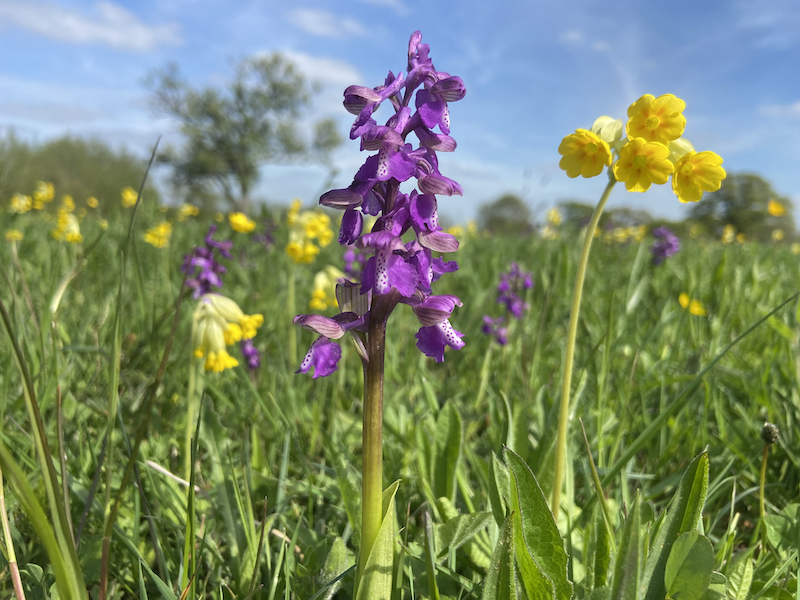 Anacamptis morio (Green-winged Orchid) at Eades Meadow, an ancient grassland in Worcestershire.
© Katherine Judson
Anacamptis morio (Green-winged Orchid) at Eades Meadow, an ancient grassland in Worcestershire.
© Katherine Judson
Using indicator species and plant communities to identify ancient grasslands.
Connectivity
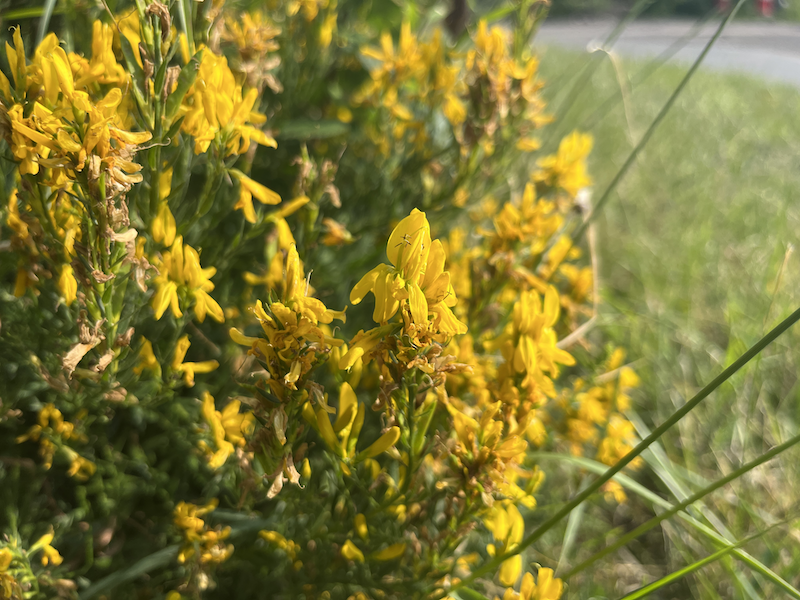 Genista tinctoria (Dyer's Greenweed) - a declining species more frequently found in ancient grassland sites.
© Katherine Judson
Genista tinctoria (Dyer's Greenweed) - a declining species more frequently found in ancient grassland sites.
© Katherine Judson
Exploring genetic connectivity of indicator species across fragmented landscapes.
Futures
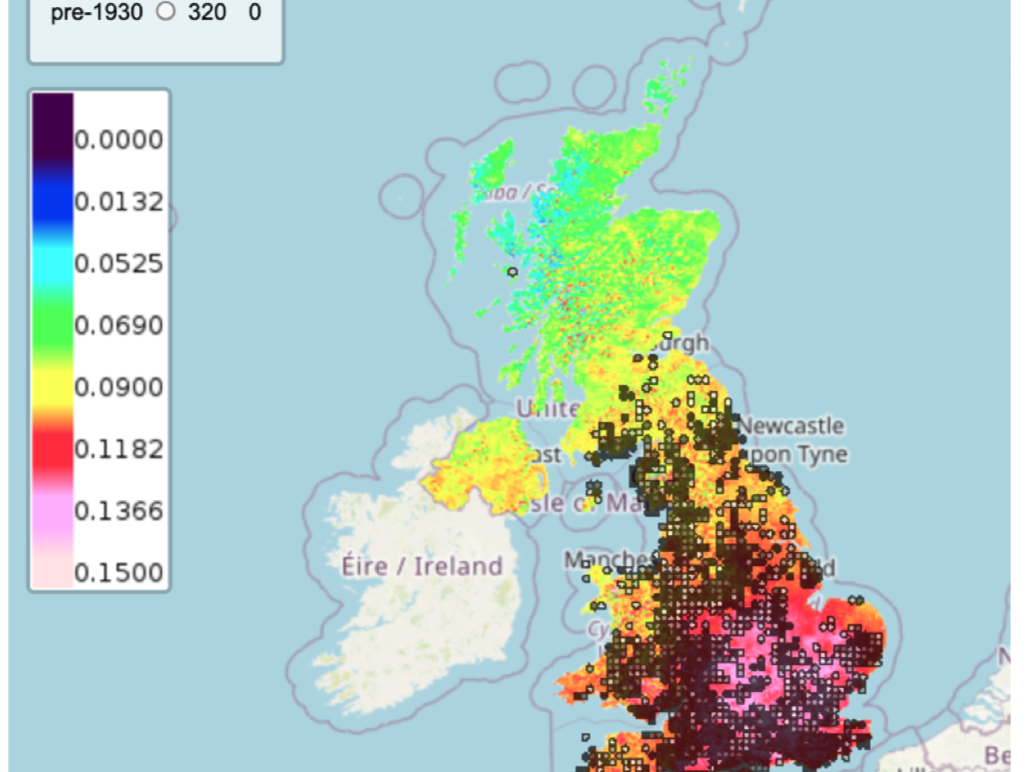
Assessing projected climate impacts on ancient grasslands and conservation priorities.
Contribute via iNaturalist
I am eager to understand the status of ancient grassland indicator species (AGIS) in Worcestershire. Are they:
- Declining?
- Stable?
- Increasing?
